Signs It’s Time to Reseal Your Pavers
Noticing signs it’s time to reseal your pavers can help protect and restore their appearance, and local contractors are ready to provide expert sealing services.
Property owners noticing changes in their paved surfaces may wonder if it’s time to reseal their pavers. Recognizing signs such as fading color, visible cracks, or a worn, dull appearance can help determine when resealing is needed to protect and restore the surface. Local contractors experienced in paver resealing understand these indicators and can assess whether a reseal will enhance durability and appearance, ensuring outdoor spaces remain attractive and functional.
Exploring the signs it’s time to reseal your pavers is a practical step for maintaining the longevity of outdoor surfaces. Factors like increased staining, weed growth in the joints, or a slick, uneven texture can all signal that the existing sealant has weakened. Service providers in the area specialize in paver resealing, offering expert advice and solutions to help property owners preserve their investment and keep outdoor areas looking their best.
- Paver resealing - homeowners notice fading or discoloration on their pavers, indicating the need for a fresh sealant applied by local contractors.
- Paver resealing - visible cracks or surface wear on pavers suggest it’s time for resealing to restore durability, with local service providers assessing and addressing the issues.
- Paver resealing - after harsh weather conditions, pavers may develop stains or erosion, prompting local pros to recommend resealing to protect the surface.
- Paver resealing - signs of efflorescence or efflorescence buildup on paver surfaces often lead homeowners to seek professional resealing from local contractors.
- Paver resealing - if the paver joints are loose or shifting, local service providers can evaluate and reseal to maintain the integrity and appearance of the paved area.
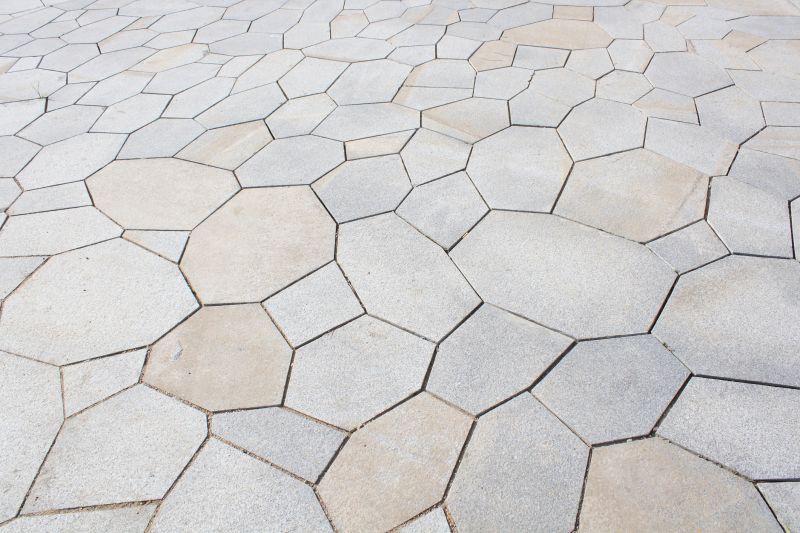
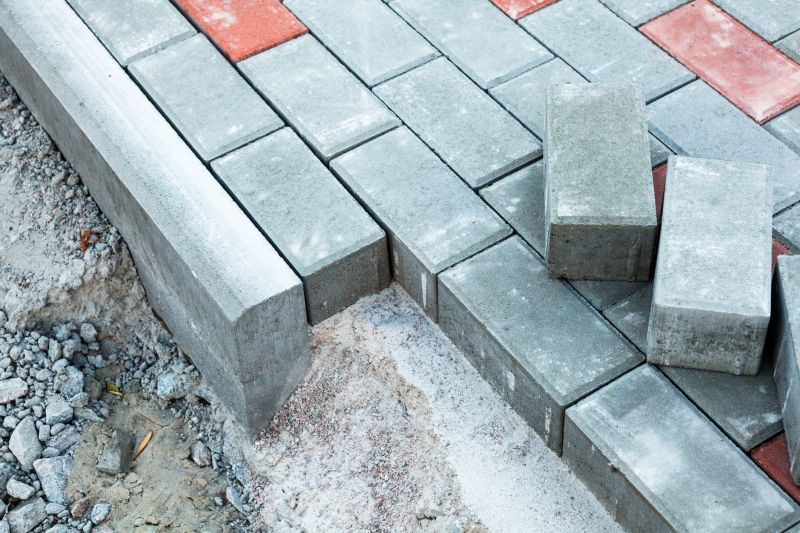
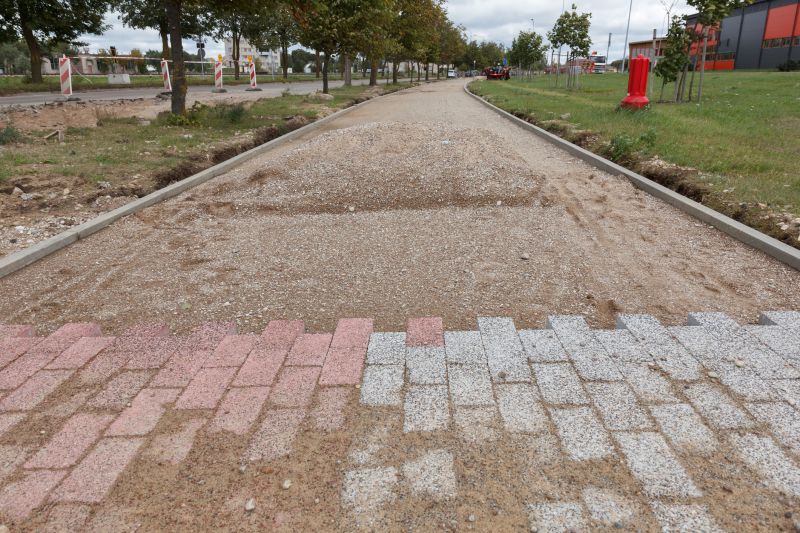
When homeowners search for signs it’s time to reseal your pavers, they are typically looking for guidance on maintaining the appearance and durability of their paved surfaces. Pavers are a popular choice for patios, walkways, driveways, and pool decks because of their visual appeal and long-lasting nature. Over time, the protective sealant applied during initial installation or resealing can wear down, leading to a range of visible issues. Recognizing these signs early helps prevent more significant problems, such as cracking or weed growth, and ensures the surface remains attractive and functional. Homeowners often want to understand when routine maintenance is needed to keep their paved areas in top condition.
This topic relates closely to property improvement plans and maintenance concerns. Many property owners consider resealing pavers when they notice surface deterioration or a loss of color vibrancy. It is also a common step in preparing for outdoor events or seasonal changes, as a well-maintained surface enhances curb appeal. Problems like staining, fading, or the appearance of moss and algae can indicate that the sealant has broken down. Additionally, homeowners may plan to reseal pavers after cleaning or repairs to restore their original look and protect against future damage. Service providers specializing in paver resealing play a key role in helping property owners address these issues effectively.
The types of properties that typically come up when discussing signs it’s time to reseal pavers include residential homes, especially those with patios, driveways, and pool decks. Commercial properties such as restaurants, hotels, and retail centers with outdoor seating or walkways also benefit from regular resealing. These surfaces are exposed to constant foot traffic, weather elements, and daily use, which can accelerate the wear of protective coatings. Recognizing the right time to reseal is essential for maintaining safety, preventing costly repairs, and preserving the aesthetic appeal of these outdoor spaces. Local contractors who specialize in paver sealing can assess the condition of a paved surface and recommend appropriate maintenance to keep it looking its best.
Understanding the signs it’s time to reseal your pavers helps homeowners plan for ongoing property care and avoid more extensive repairs later. Common indicators include the appearance of dullness or color fading, visible cracks or chips, and the presence of stains or moss growth. If water no longer beads on the surface or the pavers start to feel rough, these are additional clues that the sealant has worn away. Engaging with experienced service providers can ensure that the resealing process is done properly, restoring the protective layer and extending the lifespan of the paved surface. Regular assessments and timely resealing contribute to maintaining the value and appearance of outdoor spaces, making it a practical step in property upkeep.
Concrete sealing projects - sealing concrete surfaces shares similar skills with paver resealing, including surface preparation and application of protective coatings to prevent damage and staining.
Driveway restoration services - driveway restoration involves surface cleaning and sealing techniques that are comparable to paver sealing, requiring attention to surface condition and proper sealing methods.
Patio and walkway resurfacing - resurfacing patios and walkways often involves sealing materials that protect against weathering, aligning with the skills needed for paver resealing.
Stone and brick sealing projects - sealing stone and brick surfaces requires similar planning and application processes as paver resealing, ensuring durability and aesthetic appeal.
Outdoor surface cleaning services - cleaning outdoor surfaces prepares them for sealing, involving similar tools and techniques used in the paver resealing process.
Landscape hardscape installation - installing hardscapes like retaining walls and decorative surfaces involves planning and surface preparation skills that complement paver sealing work.
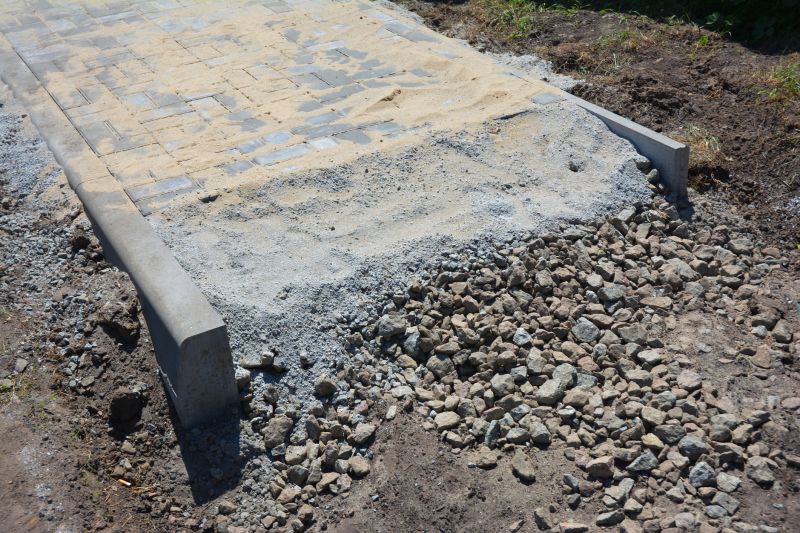
When comparing local contractors for paver resealing services, it’s important to consider their experience with similar projects. Homeowners should look for service providers who have a track record of working on paver sealing and related outdoor surface projects. An experienced contractor will understand the nuances of different paver materials, surface conditions, and environmental factors that can influence the resealing process. This familiarity can help ensure the work is performed properly and that the results will meet expectations.
Clear, written expectations are essential when evaluating potential service providers. Homeowners should seek out contractors who provide detailed descriptions of their services, including the scope of work, materials used, and any preparation or follow-up steps involved. Having this information in writing helps prevent misunderstandings and ensures everyone is aligned on what the project entails. It also provides a useful reference point for comparing different providers and assessing their professionalism.
Reputable references and good communication are key indicators of a trustworthy contractor. Homeowners are encouraged to ask for references or examples of past projects similar to paver resealing. Speaking with previous clients can provide insights into the contractor’s reliability, quality of work, and how well they communicate throughout the process. Effective communication, including responsiveness and clarity in answering questions, helps build confidence that the service provider will be attentive to the homeowner’s needs and keep them informed at every stage of the project.
Property owners often search for signs it’s time to reseal your pavers when they are planning practical projects around their homes and businesses. Local pros provide Paver Resealing services for everyday jobs and straightforward project options.
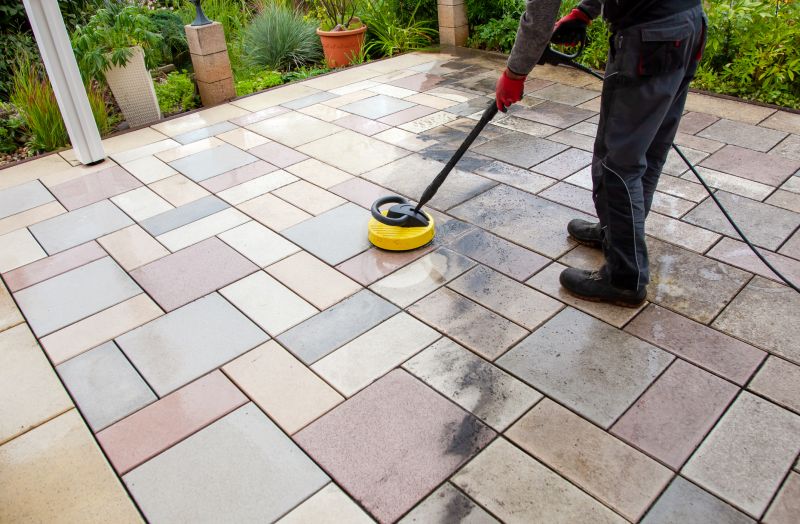
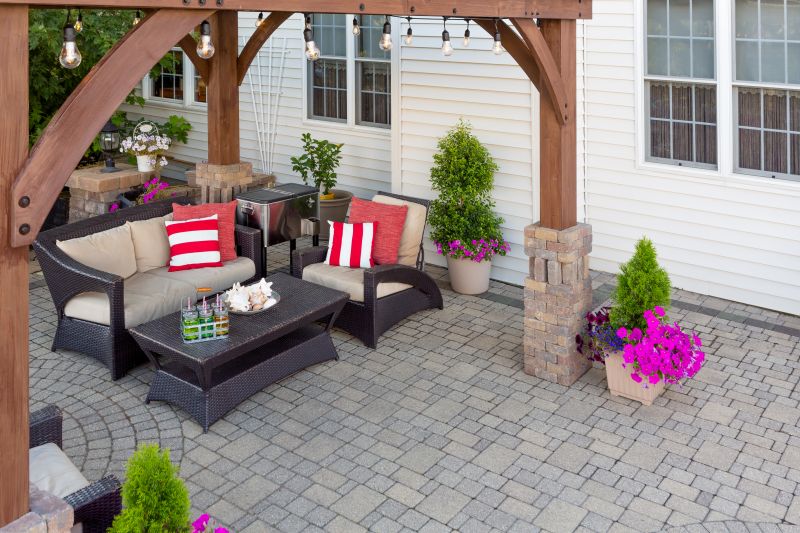
Property owners noticing visible signs of wear on their paver surfaces often consider resealing as a necessary step to maintain their appearance and durability. Common indicators include fading color, loss of shine, or the presence of small cracks and chips that can develop over time. When pavers start to look dull or uneven, it may be a sign that the existing sealant is no longer providing adequate protection, prompting many to seek out local contractors who specialize in paver resealing services.
Additionally, areas prone to staining or staining from everyday spills, such as oil or food, might require resealing to prevent permanent damage. If water begins to seep into the pavers or if weeds start growing between the cracks, these are also signs that resealing could help restore the surface’s integrity. Property owners observing these issues often turn to local service providers who can assess the condition of their pavers and recommend the appropriate resealing solutions to keep outdoor spaces looking their best.
What are common signs it’s time to reseal your pavers? Visible wear such as fading color, surface staining, or a loss of shine can indicate that resealing is needed, and local contractors can assess the condition of your pavers.
How can I tell if the sealant has worn off? If water no longer beads on the surface or the pavers appear dull and weathered, it suggests the sealant may have deteriorated, and service providers can determine if resealing is necessary.
Are cracks or chips signs that resealing is needed? Cracks or chips in the surface can compromise the sealant’s effectiveness, making it a good idea to have local specialists evaluate whether resealing or repairs are appropriate.
What impact does weather have on paver sealing? Exposure to harsh weather, such as heavy rain or intense sunlight, can accelerate sealant wear, and local pros can recommend resealing to protect your pavers.
Is it better to reseal before or after staining or sealing projects? Resealing is typically recommended before additional treatments to ensure the surface is properly protected, and local service providers can advise on the best timing for your project.
Visible wear and discoloration - noticing fading or staining on pavers can indicate the need for resealing to restore their appearance, and local contractors can help refresh the surface.
Cracks or surface damage - small cracks or surface erosion may allow moisture to penetrate, making resealing essential to protect the pavers, with local service providers able to perform the repair.
Loss of slip resistance - if pavers feel more slippery or uneven, resealing can help improve traction and safety, and nearby professionals can apply the necessary protective coatings.
Water pooling or absorption - areas where water pools or soaks into the pavers suggest the sealant has worn away, and local contractors can reseal to prevent further damage.
If you are thinking about signs it’s time to reseal your pavers for a property, this guide is meant to help you understand this topic, the typical project types, and how different options might fit your plans.
When you are ready, you can use the quote form on this page to share a few details about your project. From there, local pros can review the basics and follow up with options that match what you have in mind.