Common Causes of Paver Shifting and Settling
Understanding common causes of paver shifting and settling helps homeowners identify issues that local contractors can repair to restore stability and appearance.
Homeowners and property owners exploring the common causes of paver shifting and settling are in the right place. Pavers can shift over time for a variety of practical reasons, often related to soil movement, improper installation, or environmental factors. Understanding these underlying issues can help determine whether repairs are needed and what solutions might be most effective. Those experiencing uneven surfaces or loose pavers may find that local contractors specializing in paver repair have the expertise to identify the root causes and recommend appropriate fixes, ensuring the longevity and stability of their paved areas.
Exploring this topic is especially relevant for property owners who want to maintain a safe, attractive outdoor space or prevent further damage. Paver shifting and settling can be caused by natural soil expansion and contraction, poor base preparation, or drainage problems that undermine stability. Recognizing these common causes can guide property owners toward the right professionals who can assess the situation and provide durable repair solutions. Connecting with experienced service providers ensures that issues are addressed properly, helping to restore the appearance and functionality of paver surfaces.
- Paver Repair - local contractors can address shifting caused by soil erosion or poor base preparation that leads to uneven settling.
- Paver Repair - when pavers become loose or uneven due to tree root intrusion, service providers can stabilize and reset the affected areas.
- Paver Repair - settling caused by inadequate drainage is often remedied by local pros who improve water flow and reinforce the foundation.
- Paver Repair - in cases of paver heaving from frost or ground movement, experienced contractors can re-level and replace damaged pavers.
- Paver Repair - when pavers shift because of heavy loads or traffic, local service providers can reinforce the base and restore proper alignment.
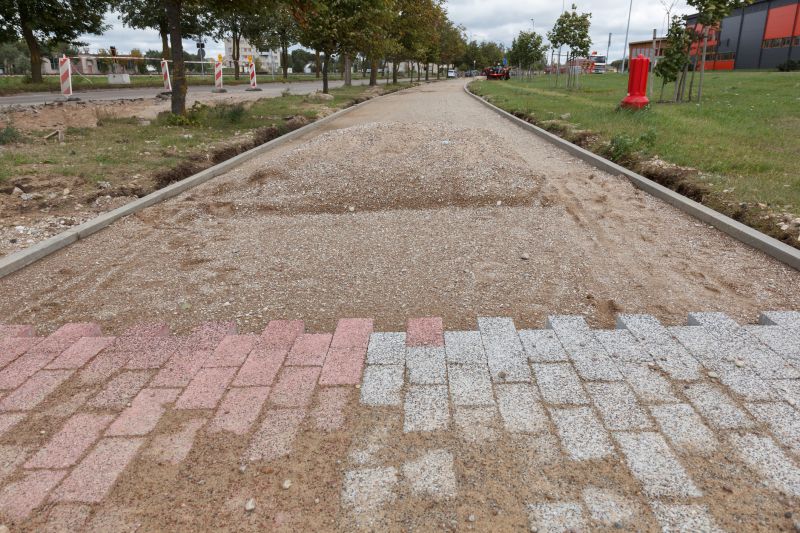
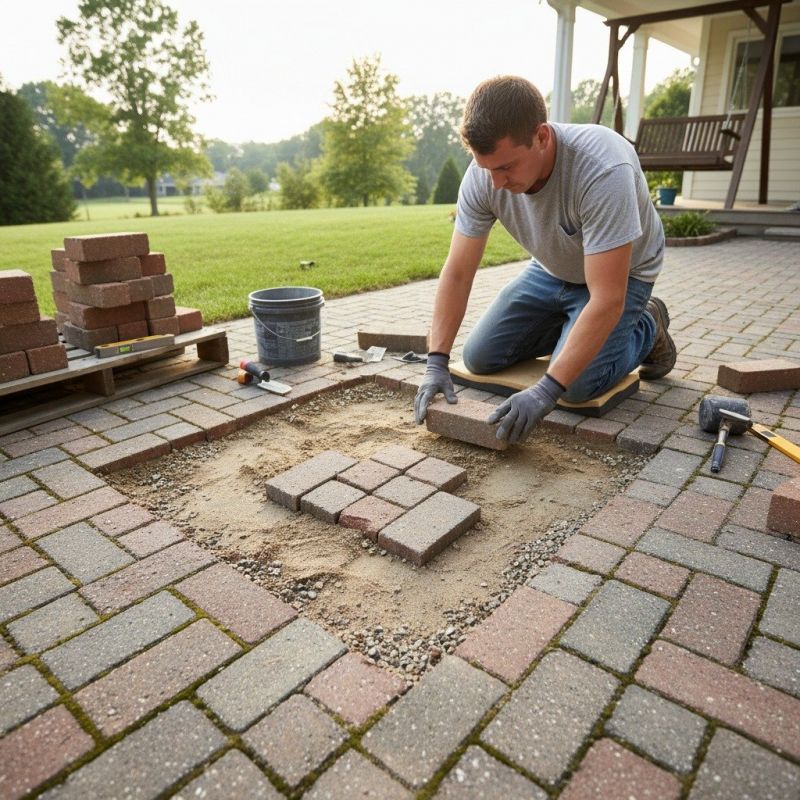
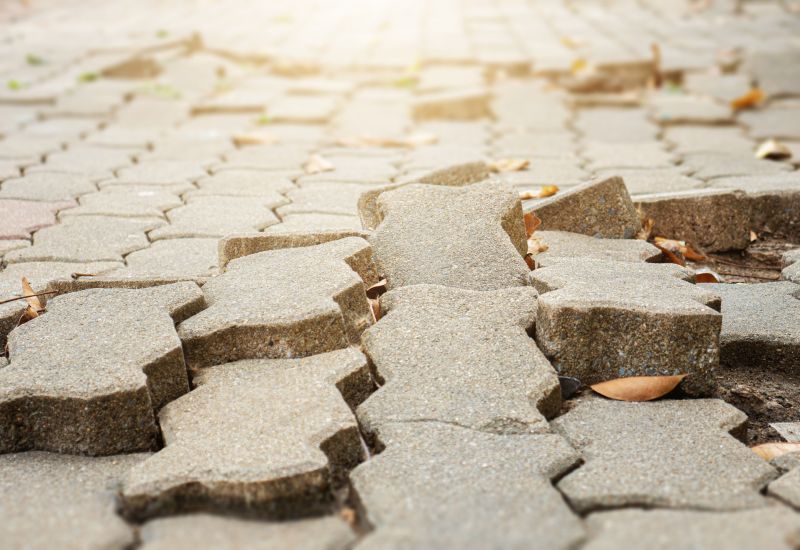
When homeowners search for information on common causes of paver shifting and settling, they are typically trying to understand why their paved surfaces are developing uneven spots, cracks, or loose sections. This issue often appears in driveways, walkways, patios, or pool decks, where the stability of the paver installation is crucial for safety and aesthetics. People interested in this topic usually have plans to repair or replace their existing pavers, or they want to prevent future problems by addressing underlying issues. Recognizing the root causes of shifting and settling can help determine whether a repair, stabilization, or complete reinstallation is necessary, making it an important consideration for property improvements.
The problems associated with paver shifting and settling are often related to foundational or environmental factors. One common cause is inadequate or poorly prepared subgrade- the soil or base layer beneath the pavers- which can shift or compress over time. Poor drainage is another significant factor, as excess water can weaken the soil and cause movement. Additionally, improper installation techniques, such as insufficient base material or uneven compaction, can lead to instability. Over time, natural ground movement or soil erosion may also contribute to pavers becoming uneven or loose. Understanding these causes helps property owners identify whether their issues stem from installation flaws or environmental conditions that require professional intervention.
Properties most affected by paver shifting and settling tend to include residential homes with driveways, patios, and walkways, especially in areas with expansive or clay-rich soils. Commercial properties, such as retail parking lots or public plazas, can also experience these problems due to their larger scale and higher traffic loads. Properties in regions with significant rainfall or fluctuating moisture levels are particularly prone to soil movement, which can impact the stability of paved surfaces. Recognizing the type of property and its specific conditions can guide homeowners and property managers in choosing appropriate repair solutions. Local contractors specializing in paver repair are equipped to evaluate these factors and recommend effective strategies to restore stability and prevent future shifting.
Addressing common causes of paver shifting and settling involves understanding how local conditions and property characteristics influence the problem. For example, areas with poor drainage may require additional grading or the installation of drainage systems, while properties with unstable soil may benefit from soil stabilization techniques. Proper assessment by experienced service providers can identify whether the issue is due to soil erosion, improper base preparation, or environmental factors. These professionals can then recommend suitable repair methods, such as re-leveling pavers, replacing base materials, or adding reinforcement to ensure long-term stability. Connecting with local pros ensures that property owners receive tailored solutions that address the specific causes of their paver problems and help maintain the safety and appearance of their outdoor spaces.
Paver installation projects - Skilled contractors who install new pavers often address foundational issues that can lead to shifting and settling over time.
Landscape grading services - Proper grading ensures water drainage away from paved surfaces, helping prevent common causes of paver shifting and settling.
Foundation repair projects - Addressing underlying soil or foundation problems can be crucial in resolving paver movement caused by ground instability.
Drainage system installations - Effective drainage solutions help reduce soil erosion and moisture-related issues that contribute to paver settling.
Soil stabilization services - Techniques to stabilize soil can prevent movement beneath pavers, reducing the risk of shifting and uneven settling.
Hardscape repair projects - Repairing existing patios and walkways often involves fixing issues related to paver shifting caused by environmental or structural factors.
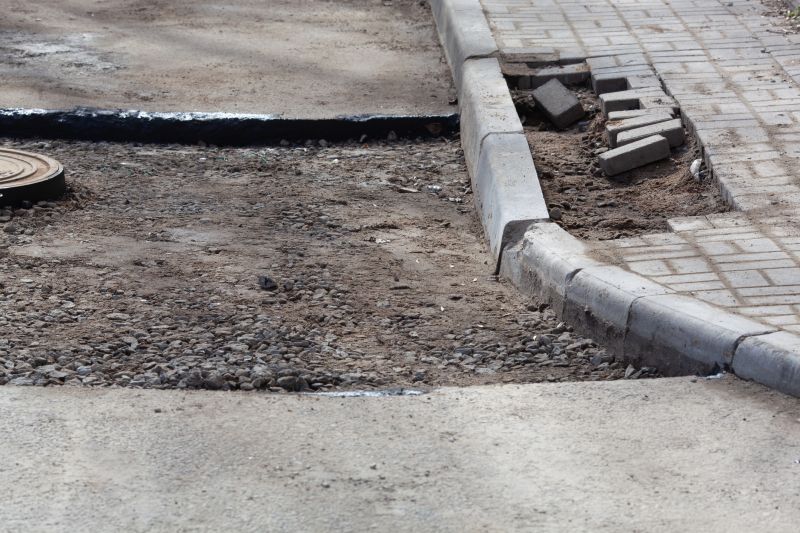
When evaluating potential service providers for paver repair, it is important to consider their experience with similar projects involving common causes of paver shifting and settling. A contractor with a history of successfully addressing issues like soil erosion, improper base preparation, or drainage problems can bring valuable insights and techniques to ensure a durable repair. Homeowners should inquire about the types of paver repair work a contractor has performed in the past and seek evidence of their familiarity with the specific challenges that lead to paver movement, ensuring that the selected professional is well-equipped to handle the job effectively.
Clear written expectations are essential when comparing local contractors for paver repair services. A reputable service provider should be able to provide a detailed scope of work that outlines the steps involved in diagnosing the cause of shifting or settling, as well as the methods they plan to use for repair. This clarity helps homeowners understand what to expect and ensures that all parties are aligned on the project’s goals. Having a transparent plan also reduces the likelihood of surprises or misunderstandings during the repair process, contributing to a smoother experience.
Good communication and reputable references are key factors to consider when choosing a contractor. Service providers who communicate clearly and promptly demonstrate professionalism and a commitment to customer satisfaction. Additionally, requesting references or reviews from previous clients can provide insight into the contractor’s reliability and quality of work. Reliable references can confirm the contractor’s ability to handle paver repair projects effectively, especially those involving common causes of shifting and settling. Ultimately, selecting a local contractor who communicates well and has a solid reputation can help ensure that the repair process is straightforward and results in a long-lasting solution.
Property owners often search for common causes of paver shifting and settling when they are planning practical projects around their homes and businesses. Local pros provide Paver Repair services for everyday jobs and straightforward project options.
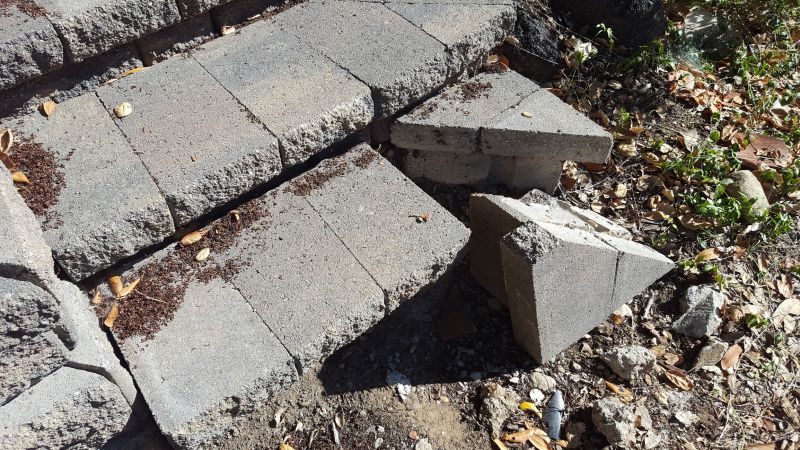
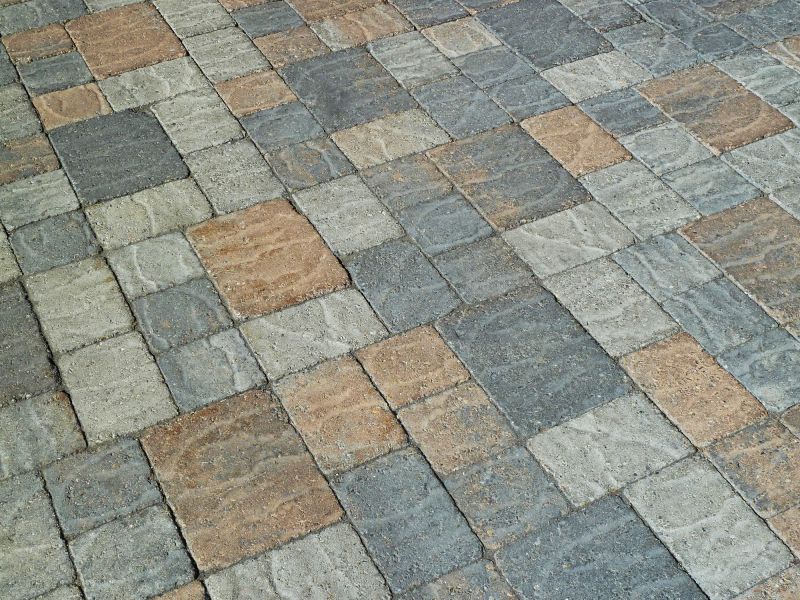
Many property owners in the area notice paver shifting and settling after heavy rains or periods of drought. Changes in moisture levels can cause the ground beneath the pavers to expand or contract, leading to uneven surfaces. Additionally, improper installation techniques, such as inadequate base preparation or insufficient joint filling, can make pavers more susceptible to movement over time. When these issues occur, local contractors experienced in paver repair can evaluate the situation and recommend solutions to restore stability and appearance.
Other common causes include soil movement due to natural settling or nearby construction activities. Over time, earth beneath the paved surface can shift or settle, creating gaps or unevenness. Heavy foot traffic or the placement of heavy objects on the pavers can also contribute to shifting and sinking. In such cases, professional paver repair services from local service providers can help address underlying problems and ensure the paved area remains level and secure.
What are common causes of paver shifting and settling? Paver shifting and settling often result from soil erosion, poor base preparation, or inadequate compaction during installation. Local contractors can assess the site to identify these issues and recommend appropriate repairs.
How does soil movement affect paver stability? Soil movement, such as expansion, contraction, or erosion, can cause pavers to shift or settle unevenly. Experienced service providers can stabilize the base to prevent further shifting.
Can improper base material lead to paver problems? Yes, using unsuitable or poorly compacted base materials can lead to paver shifting and settling over time. Local paver repair experts can replace or reinforce the base to restore stability.
What role does drainage play in paver shifting? Poor drainage can lead to water accumulation beneath pavers, weakening the base and causing shifting or settling. Local contractors can improve drainage systems to protect the pavers.
How can tree roots cause paver shifting? Growing tree roots can lift or displace pavers as they expand underground. Paver repair specialists can address root intrusion and stabilize the area to prevent further movement.
Soil instability - property owners can assess drainage and soil conditions around their pavers to prevent shifting caused by uneven or loose soil, and local contractors can stabilize the base for long-term stability.
Poor installation practices - ensuring proper foundation preparation and joint filling during initial installation helps prevent settling, and experienced service providers can correct or redo improperly installed pavers.
Tree roots - planting decisions and monitoring nearby trees can reduce root intrusion that lifts or shifts pavers, while local pros can remove or manage roots to protect paved surfaces.
Heavy loads or traffic - limiting heavy vehicle access or reinforcing the base can minimize pressure-induced settling, and contractors can reinforce or repair areas affected by excessive weight.
If you are thinking about common causes of paver shifting and settling for a property, this guide is meant to help you understand this topic, the typical project types, and how different options might fit your plans.
When you are ready, you can use the quote form on this page to share a few details about your project. From there, local pros can review the basics and follow up with options that match what you have in mind.