
Top Products For Pavers Repairs To Restore Durability
Discover essential tools and materials designed to help you effectively repair and maintain your paver surfaces for lasting results.
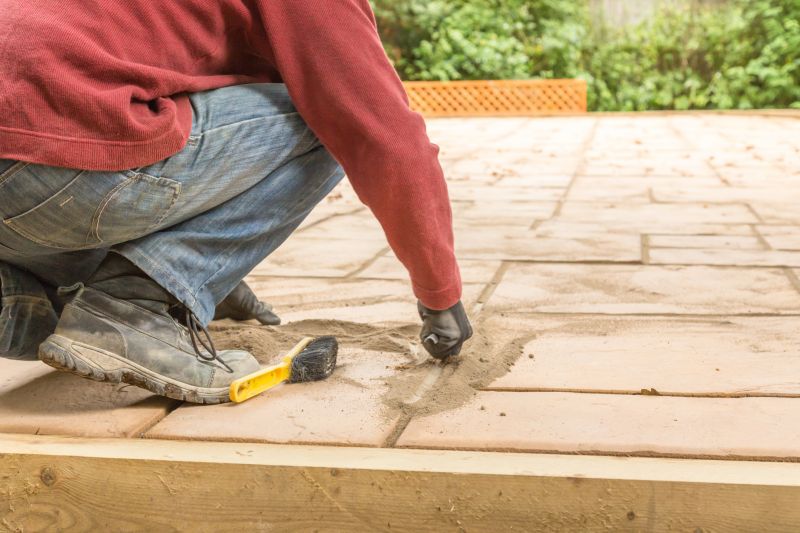 Paver repairs are essential for maintaining the appearance and stability of outdoor surfaces such as walkways, patios, and driveways. Over time, pavers can become loose, cracked, or uneven due to shifting ground, heavy traffic, or weather conditions. Addressing these issues promptly helps prevent further damage and preserves the functionality of the paved area. Repair solutions range from simple patching compounds to comprehensive replacement kits, offering options suitable for various levels of damage and project sizes.
Top Overall Option
Versatile Paver Repair Kit
A comprehensive repair kit that includes a range of patching compounds, joint sand, sealants, and tools designed for various paver repair needs. This all-in-one solution offers flexibility for minor cracks, loose pavers, and surface leveling, making it suitable for both DIY enthusiasts and professionals seeking reliable results.
Types of Products For Pavers Repairs
Polymeric Sand
A specialized joint sand that hardens after installation, helping to stabilize pavers and prevent weed growth.
Paver Joint Sealant
Sealants designed to fill gaps between pavers, providing a protective barrier against stains and weathering.
Paver Crack Filler
Flexible fillers that can be used to repair cracks and small holes in paver surfaces.
Paver Repair Mortar
Mortar mixes formulated for patching and bonding paver sections securely.
Polyurethane Paver Adhesive
Strong adhesive suitable for bonding loose pavers back into place.
Concrete Patch Compound
Versatile patching compound ideal for repairing cracked or chipped pavers.
Leveling Sand
Sand used to level paver surfaces before laying or repairing pavers.
Paver Replacement Kits
Complete kits with pavers and accessories for replacing damaged sections.
Sealant Sprays
Spray-on sealants that provide a protective coating to paver surfaces.
Jointing Tool
Tools designed to evenly spread and compact joint sand or sealant.
Paver Lifting Tool
Specialized tools to lift and reposition pavers during repair or replacement.
Edge Restraints
Products to secure the edges of paver surfaces and prevent shifting.
Drainage Mats
Materials used beneath pavers to improve drainage and stability.
Polymer-based Paver Repair Mix
Flexible repair mixes that bond well with existing pavers and resist cracking.
Popular Choices
Widely used for filling joints between pavers, helping to stabilize and prevent weed growth.
Commonly selected for sealing small cracks and holes in paver surfaces.
Popular for sealing paver joints to enhance durability and appearance.
Chosen for patching and bonding paver sections securely.
Frequently used to prepare surfaces before laying pavers or making repairs.
Popular for fixing loose pavers back into place securely.
Convenient for providing a protective coating and enhancing surface longevity.
Commonly used to prevent paver shifting and maintain surface integrity.
Popular for improving drainage beneath paver surfaces.
Favored for its strong bonding properties in paver repair projects.
Often selected for repairing chipped or cracked pavers.
When selecting products for paver repairs, it is important to consider the type of damage, the size of the affected area, and the specific material of the pavers. Some repair products are designed for minor cracks and loose pavers, while others are suitable for extensive repairs involving leveling or replacing sections. Proper preparation and application are key to achieving long-lasting results, so choosing the right products can make a significant difference.
In addition to repair compounds, tools such as trowels, joint sand, and sealing agents are often recommended to ensure a professional finish. For larger projects, specialized equipment like compaction tools may be necessary to properly set new pavers or stabilize existing ones. Understanding the different product options and their intended use can help homeowners and professionals achieve durable, visually appealing repaired surfaces without unnecessary expense or effort.
Key Buying Considerations
- Assess the extent of damage to determine whether minor repairs or full replacement is needed.
- Ensure compatibility of repair products with the material of your pavers, such as concrete, brick, or stone.
- Consider the ease of application and whether specialized tools or skills are required.
- Evaluate the durability and weather resistance of the repair products for outdoor use.
- Look for products that provide flexibility to accommodate ground movement and prevent cracking.
- Check if the product is suitable for the size of the repair area, from small cracks to large sections.
- Review drying and curing times to plan your repair project efficiently.
- Determine if the repair product includes sealing or if additional sealing is necessary.
- Consider environmental conditions, such as exposure to water or freeze-thaw cycles, which can impact repair longevity.
- Prioritize products with clear instructions and reliable customer support if needed.
- Evaluate cost-effectiveness based on the size of your repair project and the quantity of product required.
- Read customer reviews for insights on product performance and ease of use.
- Verify that the repair solution provides a seamless finish that matches the existing pavers.
- Decide if you prefer ready-to-use products or DIY repair kits that include multiple components.
- Ensure safety features or precautions are indicated for handling and application.
This page contains affiliate links. We may earn a commission if you purchase through these links, at no additional cost to you.